Accountability in education: Meeting our commitments
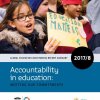
The second edition of the Global Education Monitoring Report (GEM Report) presents the latest evidence on global progress towards the education targets of the UN Sustainable Development Goals.
The second edition of the Global Education Monitoring Report (GEM Report) presents the latest evidence on global progress towards the education targets of the UN Sustainable Development Goals.
En este informe, la Relatora Especial examina el papel que representan la equidad y la inclusión en el fortalecimiento del derecho a la educación, en particular en el contexto del logro de los Objetivos de Desarrollo Sostenible. La Relatora Especial concluye pidiendo a los Estados que adopten medidas positivas importantes para hacer frente a la discriminación, la inequidad y la exclusión en la educación a fin de asegurar que se logran los Objetivos de Desarrollo Sostenible.
Indigenous Peoples are diverse, within and across nations. However, the Indigenous Peoples have experienced colonisation processes that have undermined Indigenous young people’s access to their identity, language and culture. At the same time, Indigenous children have not generally had access to the same quality of education that other children in their country have had access to. These two forces in combination have undermined the educational opportunities and outcomes of successive generations of Indigenous children and young people, at times with catastrophic effect.
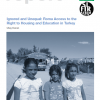
Turkey’s Roma population and similar social groups such as Abdal, totalling between two million and five million, have long been one of the country’s most marginalised communities. From hate speech and the threat of targeted violence to extreme poverty and exclusion, they suffer discrimination in almost every area of their lives. This situation has been sustained not only by deep-rooted social prejudice, but also by the indifference and even complicity of authorities to address their second-class status in Turkey.
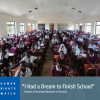
More than 40 percent of Tanzania’s adolescents are left out of quality lower-secondary education despite the government’s positive decision to make lower-secondary education free.
On the 15 February 2017, a partnership of civil society organisations that have been involved in rights-based struggles for access to a quality basic education will launch a Basic Education Rights Handbook.
Este juego de herramientas ha sido producido por la Campaña Mundial por la Educación (CME) en colaboración con ActionAid International (AAI), la Internacional de la Educación (IE) y con la financiación de la Alianza Mundial por la Educación (AME). Tiene por objeto apoyar a las organizaciones de la sociedad civil y a los activistas por la educación de países de ingresos bajos y medios para su lucha y sus campañas respecto a asuntos relacionados con la financiación de la educación, como área de enfoque estratégico del movimiento CME.
En 1973, la Corte Suprema de Estados Unidos dictaminó que un sistema de financiamiento de las escuelas públicas basado principalmente en ingresos provenientes de los impuestos locales sobre la propiedad no viola la Cláusula sobre Protección Igualitaria de la Decimocuarta Enmienda, ni viola el derecho a la educación porque aunque la educación es un “servicio importante” no constituye un derecho fundamental, tal como lo reconoce la
This report consists of three main chapters. The first chapter enumerates all the mechanisms contributing to the development of educational inequalities in the Czech Republic’s education system, which are summarised to provide a context for the focus of this report—the ECEC of Roma children.